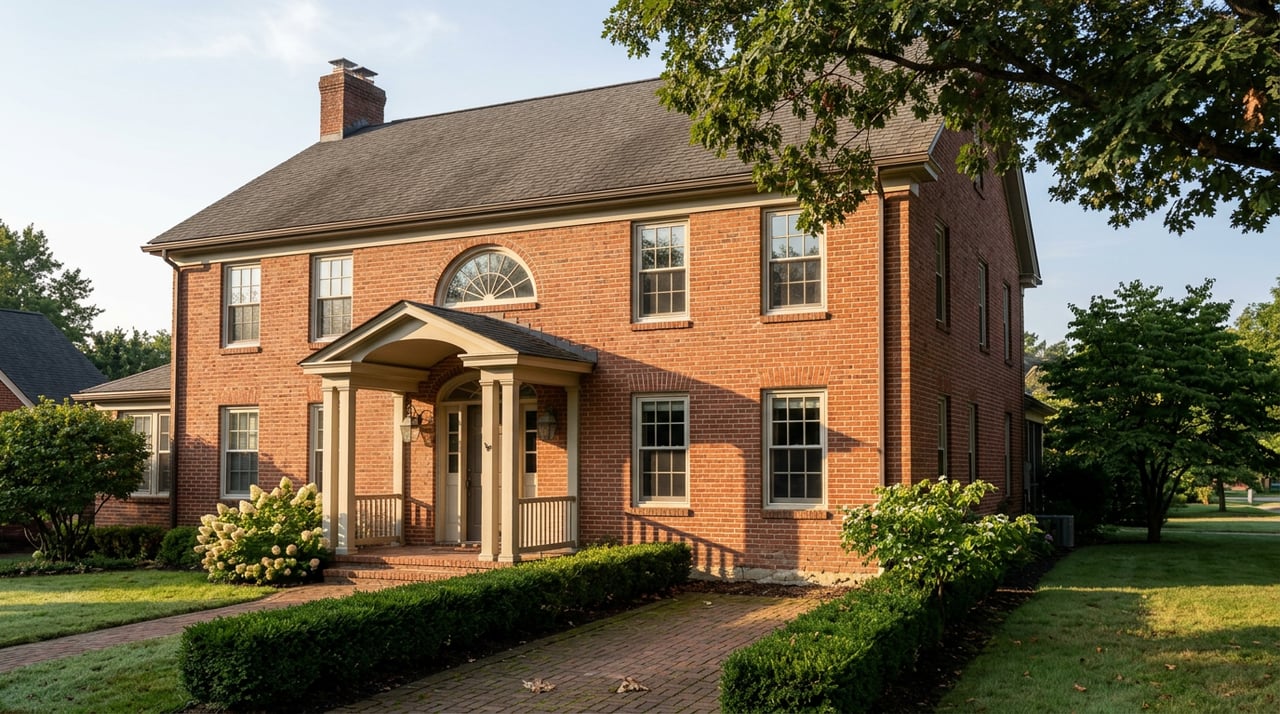
A buyer closes on a century-old house one block off Conant Street, the kind of place with a covered porch and original woodwork that made the whole search worth it. The contractor comes out, measures the new porch railing and the replacement windows, and quotes a standard permit timeline. That's the number the buyer plans around. Then the city's zoning office explains that the permit is not first in line. A different body has to approve the exterior work before the Building Inspection Division will even open the file.
That review runs through the Old Maumee Design Review Board or the Zoning Administrator, and it exists because of where the house sits, not because of anything unusual about the renovation itself. If you're buying inside the boundary of the Old Maumee Historic District, the sequence of your project changes. Understanding that sequence before you write an offer, not after your contractor calls the city, is the difference between a renovation that starts on schedule and one that stalls in its first month.
Where the Boundary Actually Sits
The Old Maumee Historic District is not a vague "downtown" reference. The city defines it by four hard edges: Ford Street on the west, Key Street on the east, Anthony Wayne Trail on the north, and the Maumee River on the south. Everything inside that rectangle falls under the design review requirement. Everything outside it, including newer construction elsewhere in the city, does not.
That matters because Maumee's housing stock isn't uniform. A buyer weighing a historic property near Conant Street against a newer villa in a development like Waterside is not just comparing square footage and finish quality. One property carries an extra approval step for any exterior change and the other does not. If your plan involves updating the exterior in the first year of ownership, that distinction belongs in your budget and your timeline before it belongs in your contractor's invoice.
The practical move is simple: before you get attached to a specific address, confirm with the city's Zoning Division whether that parcel sits inside the boundary. A house one block inside Key Street and a house one block outside it can look nearly identical and follow completely different approval paths.
What Actually Triggers Review, and What Doesn't
The design review requirement is specific. Maumee's own zoning guidance is direct about it: property owners within the Old Maumee District must receive approval through the Zoning Administrator or the review board before making any exterior changes to their buildings. That covers the visible parts of a house. New siding, replacement windows, a rebuilt porch, roofline changes, fencing, a new detached garage, and any new or altered structure fall under this review.
For a gutted kitchen, refinished floors, or updated bathrooms inside the same house, confirm the requirements with the city. The city's design standards ordinance also carves out a narrower path for older homes: minor improvements to existing dwellings that don't increase the property's nonconformity with current design standards can sometimes skip the fuller review. That carve-out is worth asking about directly, since "minor" is a judgment call the Zoning Administrator and Chief Building Official make, not something a buyer should assume in advance.
The Sequencing Problem
Here is the part that catches new owners off guard. In most of Maumee, a residential renovation follows a straightforward order: submit the application, get the zoning setback review, receive the permit, schedule inspections. Inside the Old Maumee boundary, the order gains a step at the front. The city's own permit guidance states it plainly: every new and altered structure within this zone must first gain approval through the Zoning Administrator or the Design Review Board before a permit can be issued at all.
That means the exterior work a new owner is planning can't legally start on the timeline a contractor would quote for a similar project outside the district. The application has to include elevation drawings, a site plan, and photographs submitted in advance. If the Design Review Board handles the application, the property owner is required to attend the board meeting in person. None of that happens inside the standard permit window. It happens before that window opens.
For a buyer who has already budgeted a spring exterior refresh around a summer move-in, this is the detail that resets the calendar. It's not that the work is prohibited. It's that the approval has to come first, and the timeline for that approval is not the same clock the building permit runs on.
Why the Distinction Matters More in Old Maumee Than Elsewhere in the City
Maumee's appeal for many buyers is exactly this mix: walkable, historic homes near Uptown's shops and restaurants sitting a short distance from newer subdivisions and active-adult communities where none of this applies. That mix is a genuine strength of the market, but it means "buying in Maumee" isn't one uniform process once you start talking about renovation plans.
A buyer comparing two similarly priced homes, one inside the historic boundary and one outside it, should weigh the design review requirement the same way they'd weigh a homeowners association fee or a septic system versus a public sewer line. It's not a red flag. It's a cost of time and paperwork that belongs in the comparison, not a surprise that shows up after closing.
This is also where a buyer's plans should shape the offer itself. If the renovation is purely interior, the historic district requirement barely registers. If the plan includes new windows, a rebuilt porch, or an addition, that plan needs to account for design review and an approval process that sits ahead of the permit, not alongside it.
What to Confirm Before You Close
A few questions are worth asking directly, ideally before the inspection contingency deadline rather than after:
- Is this specific parcel inside the Old Maumee Historic District boundary, confirmed with the city's Zoning Division rather than assumed from the neighborhood name
- Does the renovation plan include any exterior element, since that determines whether design review approval is required
- Has this property had any prior design review decisions on file, which can hint at what the board has approved or declined nearby
- What documentation is required for the review, and, if the application goes before the board, for its meeting, since elevation drawings and a site plan take real time to prepare and typically involve an architect or designer
None of these questions slow down a strong offer. They just mean the renovation budget and the moving timeline are built on the actual process rather than the process a buyer assumes applies everywhere in the city.
FAQ
Does the Old Maumee Design Review Board review interior renovations? Contact Maumee's Zoning Division to confirm whether review applies.
What happens if a contractor already submitted a permit application for exterior work? Inside the district, the city's guidance is clear that the permit cannot be issued until the Design Review Board or Zoning Administrator has approved the exterior work first. A permit application submitted without that approval will not move forward on its own.
How can a buyer confirm whether a specific address falls inside the historic district? The boundary runs along Ford Street, Key Street, Anthony Wayne Trail, and the Maumee River, but the most reliable way to confirm a specific parcel is to contact Maumee's Zoning Division directly before finalizing an offer.
Does this requirement apply to additions and new construction, not just renovations to existing homes? Yes. The city's guidance applies to every new and altered structure within the district, which includes additions and new builds on existing lots, not only cosmetic updates to an existing exterior.
Buying a historic home in Uptown Maumee is still one of the more rewarding paths into this market, but the renovation math only works if the approval sequence is part of the plan from the start. If you're comparing a historic property against newer inventory elsewhere in the city, or you already have a specific Old Maumee address in mind, Chirley Lima can walk through what the property's location actually means for your timeline before you write the offer. Book a consultation and get the sequence right the first time.
This article is general information, not legal, tax or financial advice. Consult a qualified professional about your situation.
